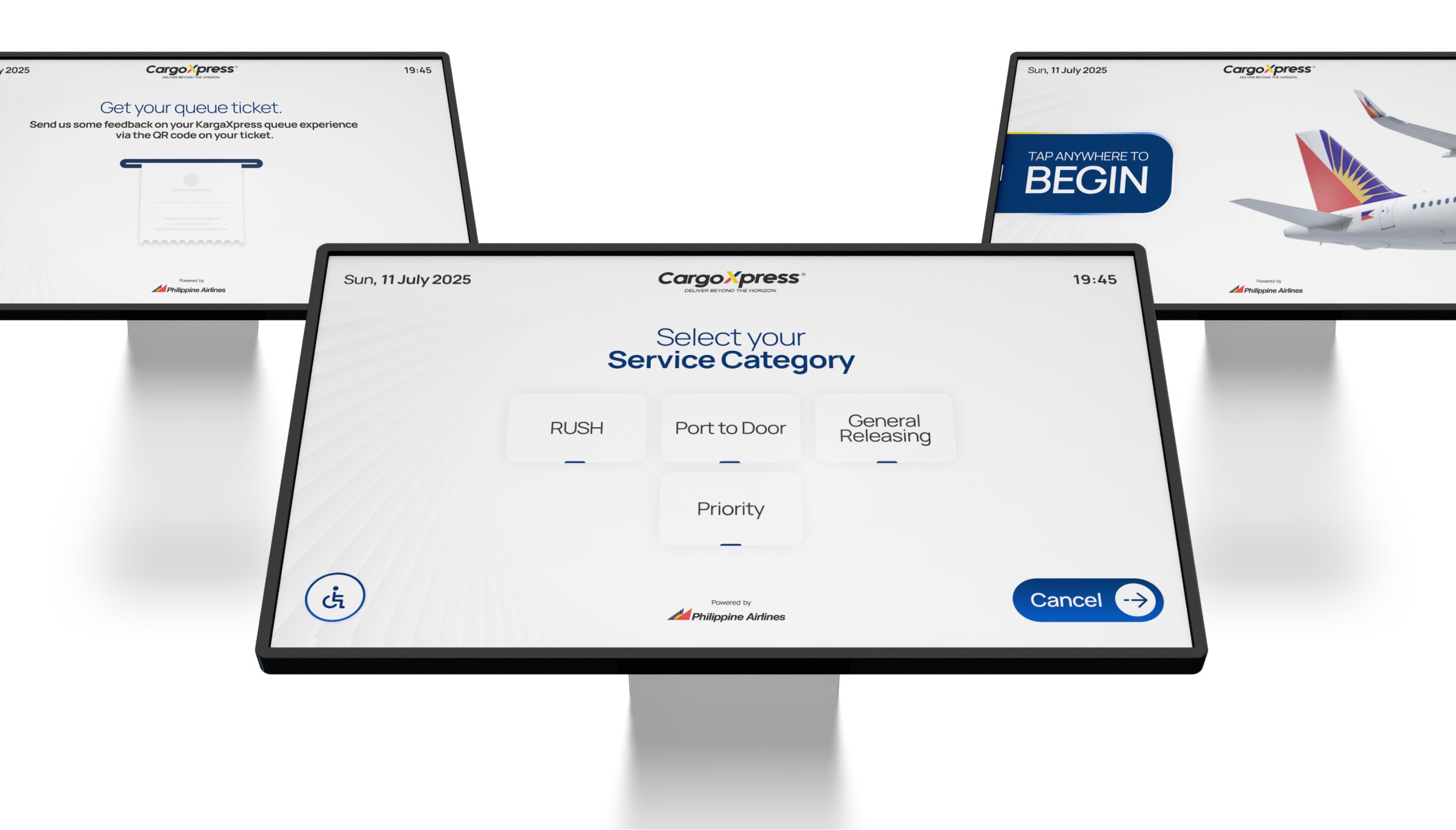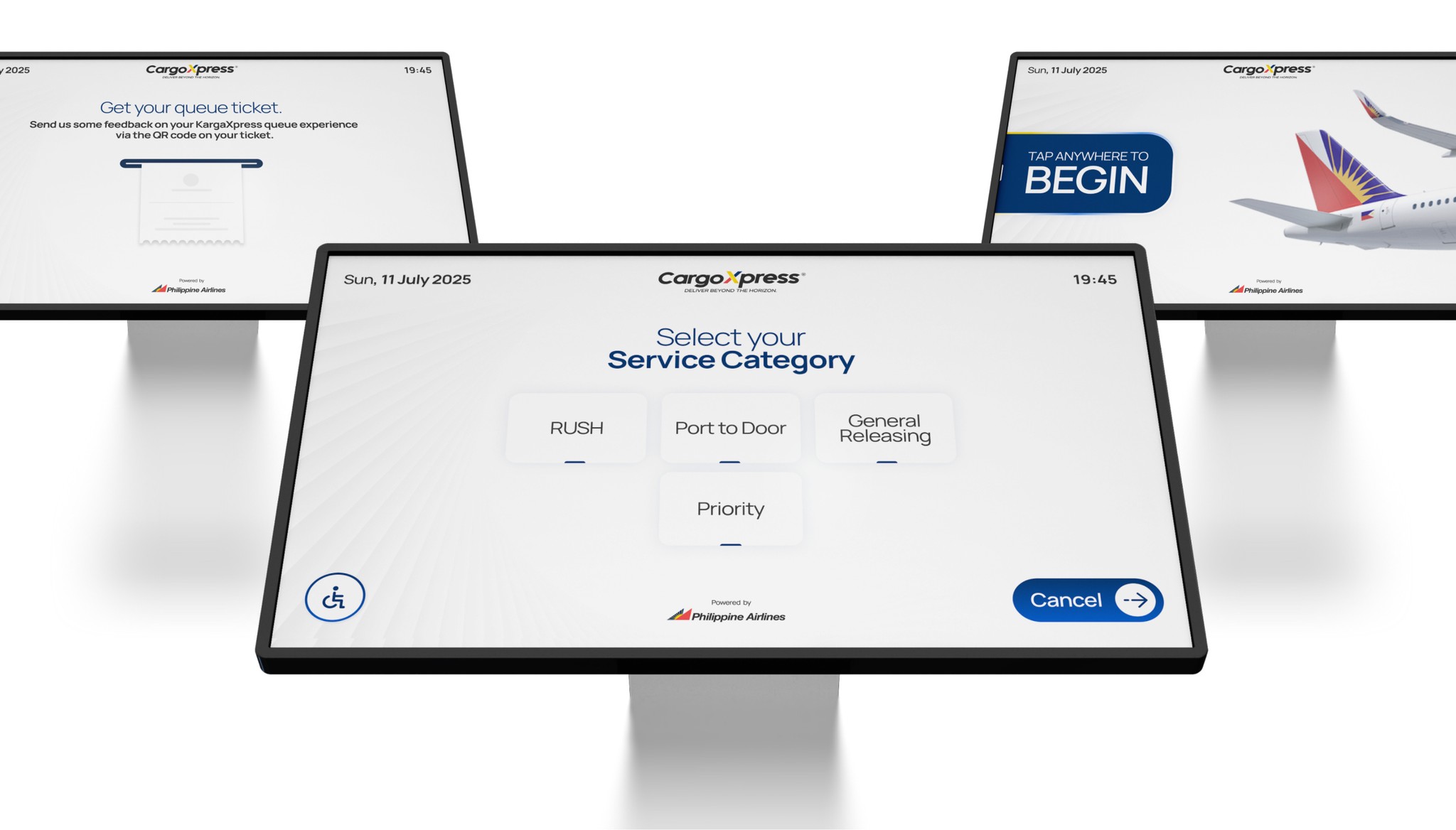
Philippine Airlines

Cargo Smart Queuing

Selected Digital Works: Vol. One

(2020–2025)

Selected Digital Works: Vol. One

(2021–2025)

CLIENT

YEAR

Philippine Airlines

2025

GOAL

Produce a proposal that clearly presented the project background, key features, and how a smart queuing system can solve PAL Cargo’s operational challenges.

CLIENT

YEAR

Philippine Airlines

2025

GOAL

Produce a proposal that clearly presented the project background, key features, and how a smart queuing system can solve PAL Cargo’s operational challenges.

RESULTS

Streamlined NU’s admissions process by delivering an online exam platform that includes a question bank and item-analysis, allowing admins to evaluate each item’s performance with precision.

CLIENT

YEAR

Philippine Airlines

2025

GOAL

Produce a proposal that clearly presented the project background, key features, and how a smart queuing system can solve PAL Cargo’s operational challenges.

RESULTS

Streamlined NU’s admissions process by delivering an online exam platform that includes a question bank and item-analysis.

ROLE AND CONTRIBUTION

I led the visual design for the PAL Cargo ✈️ Smart Queuing System Proposal, a digital-first queuing concept aimed at improving cargo queue management.

I led the visual design for the PAL Cargo ✈️ Smart Queuing System Proposal, a digital-first queuing concept aimed at improving cargo queue management.

As the sole UI/UX Designer and Technical Writer for a concept-level proposal, I defined the core product experience to communicate the solution.

As the sole UI/UX Designer and Technical Writer for a concept-level proposal, I defined the core product experience to communicate the solution.

How can I propose a digital solution that simplifies PAL Cargo operations and improves queue management efficiency?

How can I propose a digital solution that simplifies PAL Cargo operations and improves queue management efficiency?

PROJECT BACKGROUND

Before proposing any solution, I took a step back to understand the realities of cargo 📦 queue management and the pain points hidden in day-to-day operations.

Managing cargo queues efficiently is a persistent operational challenge. Manual processes, fragmented tools, and paper-based workflows often lead to long wait times, misaligned priorities, and avoidable bottlenecks.
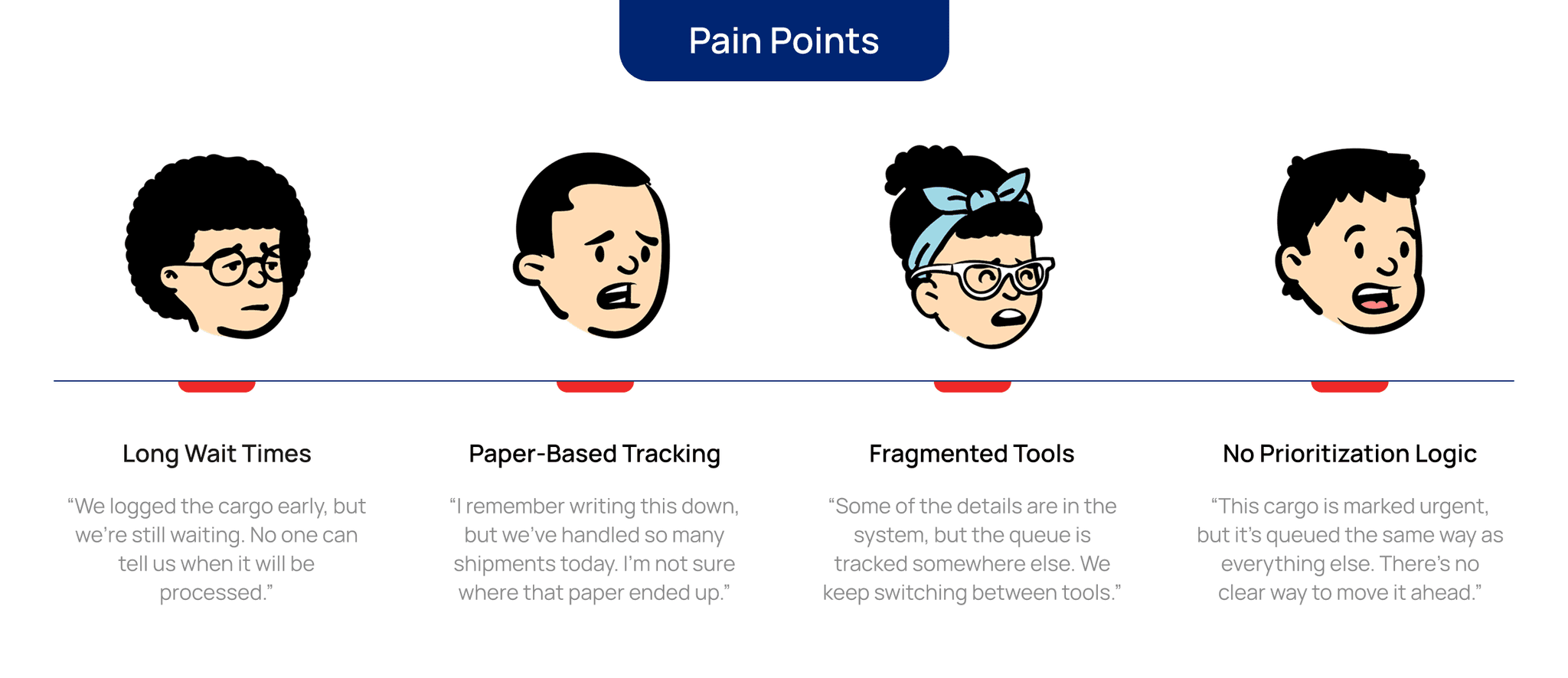
For time-critical environments like Philippine Airlines Cargo, the lack of an intelligent queuing system results in unnecessary delays for both staff and clients.

RESEARCH AND DISCOVERY

🤔: I need to understand the cargo flow

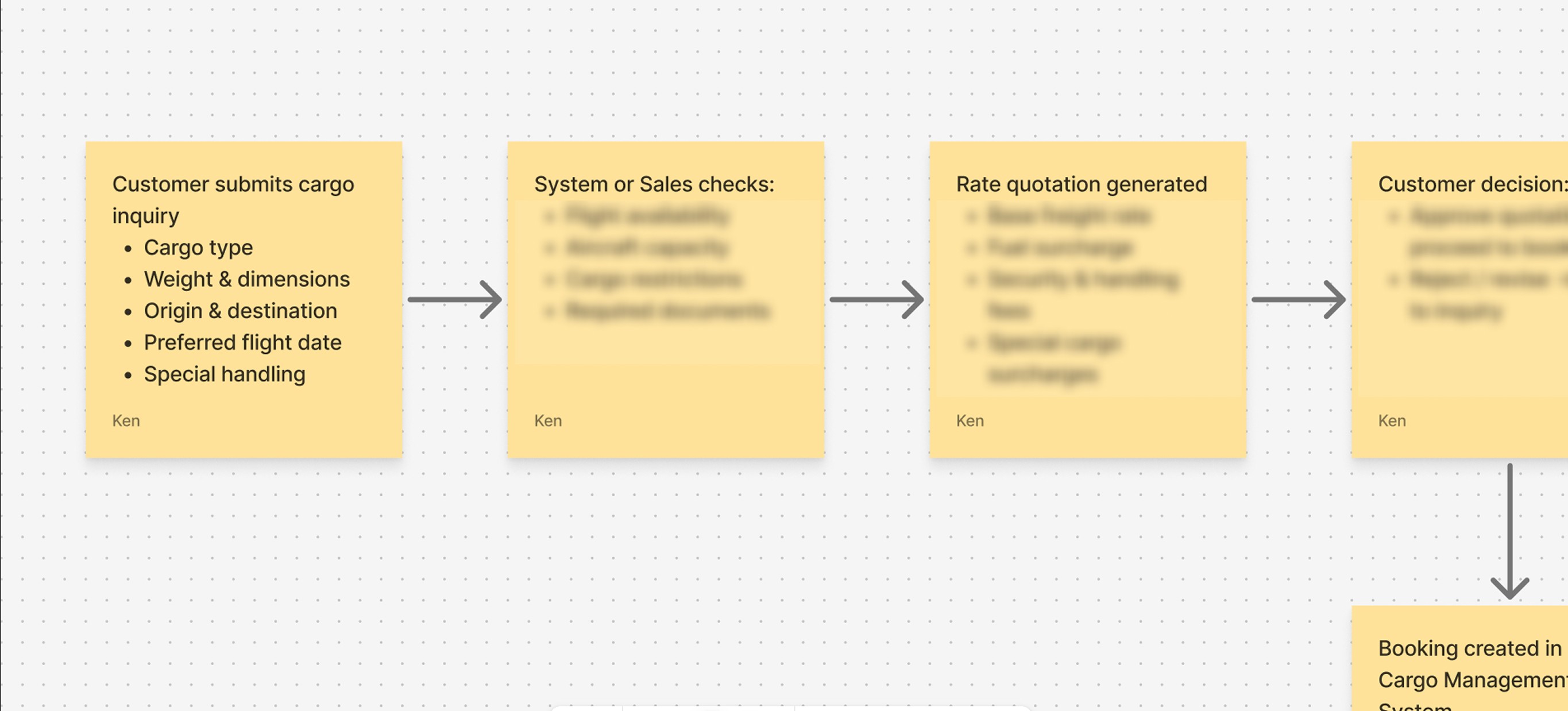
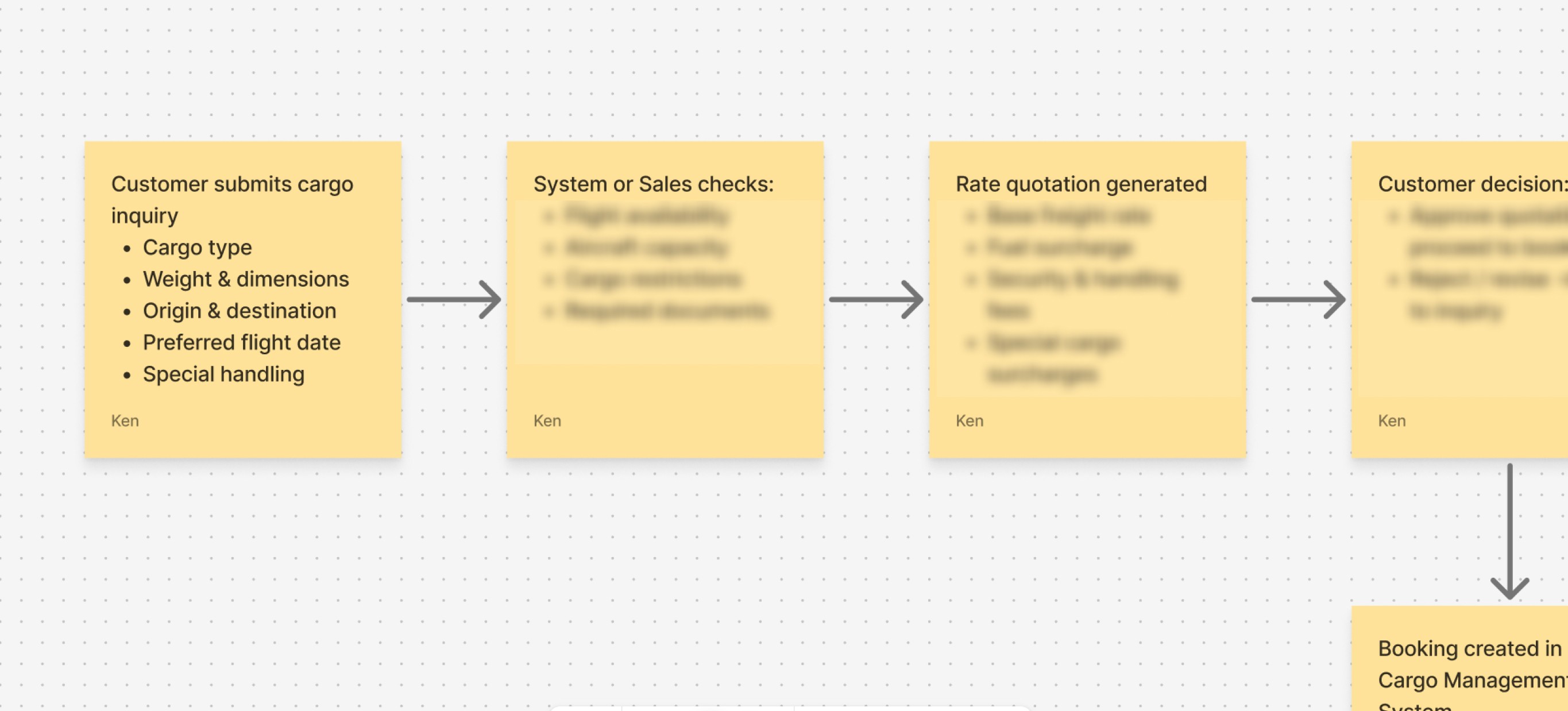
Before proposing a smart queuing solution, I mapped out the end-to-end cargo journey at Philippine Airlines thru figjam—from customer arrival to cargo release. This helped identify where queues form, where decisions are made, and where delays most often occur.
GOALS

To guide decision-making, I aligned the proposal around a set of clear, outcome-driven 🎯 goals:

Present a Clear and Intuitive User Interface

Deliver UI designs that demonstrate how the smart queuing system will streamline workflows, improve navigation, and enhance the experience for both staff and clients.

Develop a Proposal Aligned With Client Requirements

Ensure the entire solution is shaped around Philippine Airlines’ operational goals, challenges, and service standards, resulting in a proposal that is both relevant and immediately actionable.

Provide Evidence Through Research and Insights

Support the proposal with research on the effectiveness of digital queuing systems—highlighting improvements in efficiency, wait-time reduction, and operational accuracy.

Present a Clear and Intuitive User Interface

Deliver UI designs that demonstrate how the smart queuing system will streamline workflows, improve navigation, and enhance the experience for both staff and clients.

Provide Evidence Through Research and Insights

Support the proposal with research on the effectiveness of digital queuing systems—highlighting improvements in efficiency, wait-time reduction, and operational accuracy.

Develop a Proposal Aligned With Client Requirements

Ensure the entire solution is shaped around Philippine Airlines’ operational goals, challenges, and service standards, resulting in a proposal that is both relevant and immediately actionable.

This proposal set out to introduce a modern and smart queuing solution. One that streamlines the flow of cargo, provides real-time visibility, and elevates the overall experience for customers and operations teams alike.

A TINY GLOW-UP

As a believer of “Even small changes 🌱 can make a big impact,” I included a logo refresh for the PAL Cargo Smart Queuing System.

Just enough sparkle to make the interface feel friendlier without losing its wings.
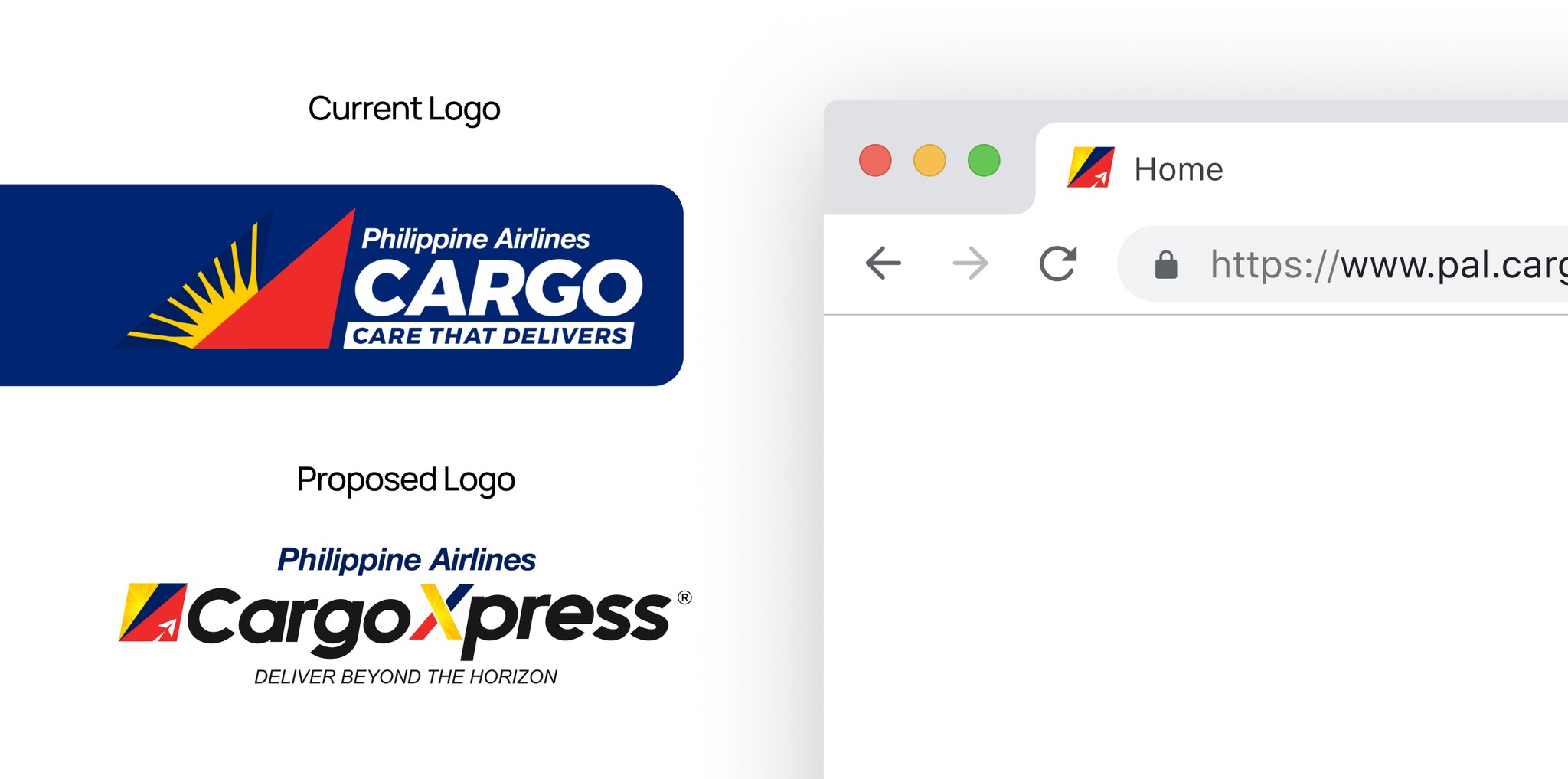
CargoXpress presents a modern, digital-first identity that conveys speed and efficiency at a glance. Designed to be memorable and scalable, it’s paired with the tagline “Deliver Beyond the Horizon”, adding a subtle lift that reflects PAL Cargo’s forward-looking service vision.

CORE ACTIVITIES

Logo Design

I spent time exploring both direct and indirect brand references to understand PAL Cargo’s identity and tone. I reviewed existing aviation, logistics, and service brands to ensure the logo felt trustworthy, professional, and aligned with PAL Cargo’s operational environment.
UI Design & Mockups

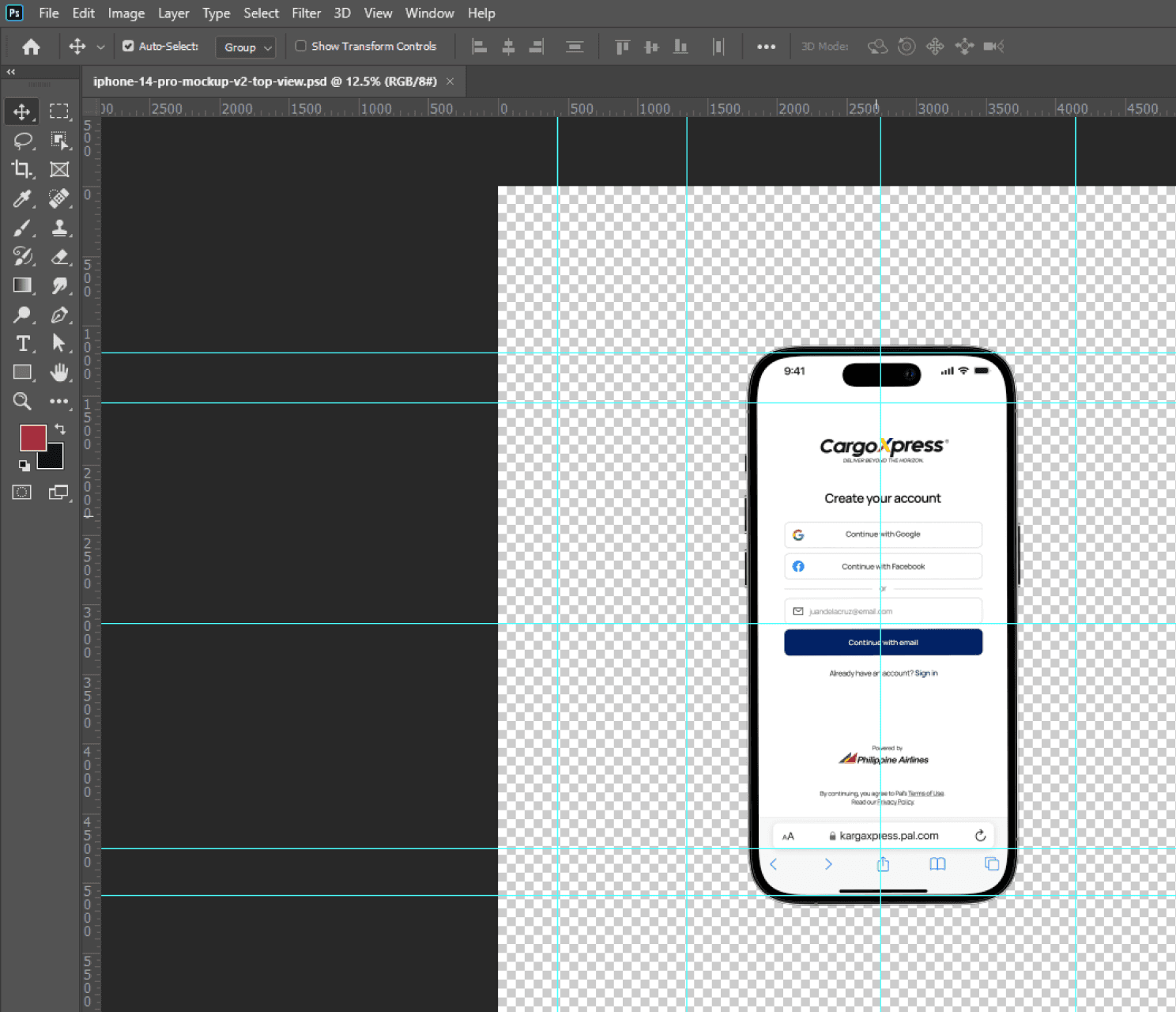
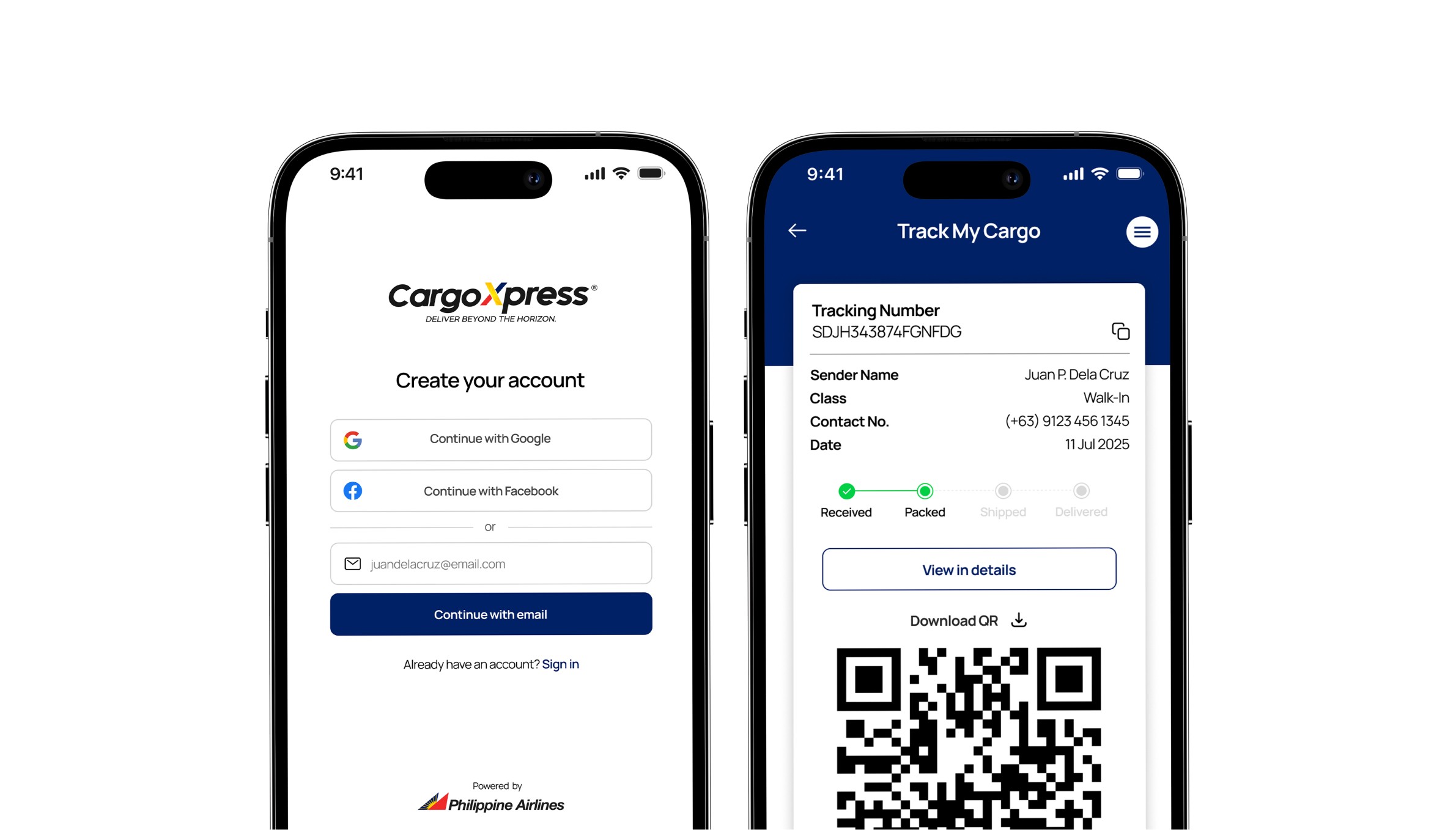
I translated operational insights into UI layouts and mockups that were clear and easy to use. I focused on presenting information in a structured way, minimizing friction for staff while ensuring screens supported fast, error-free decision-making.
Operational Flow Analysis

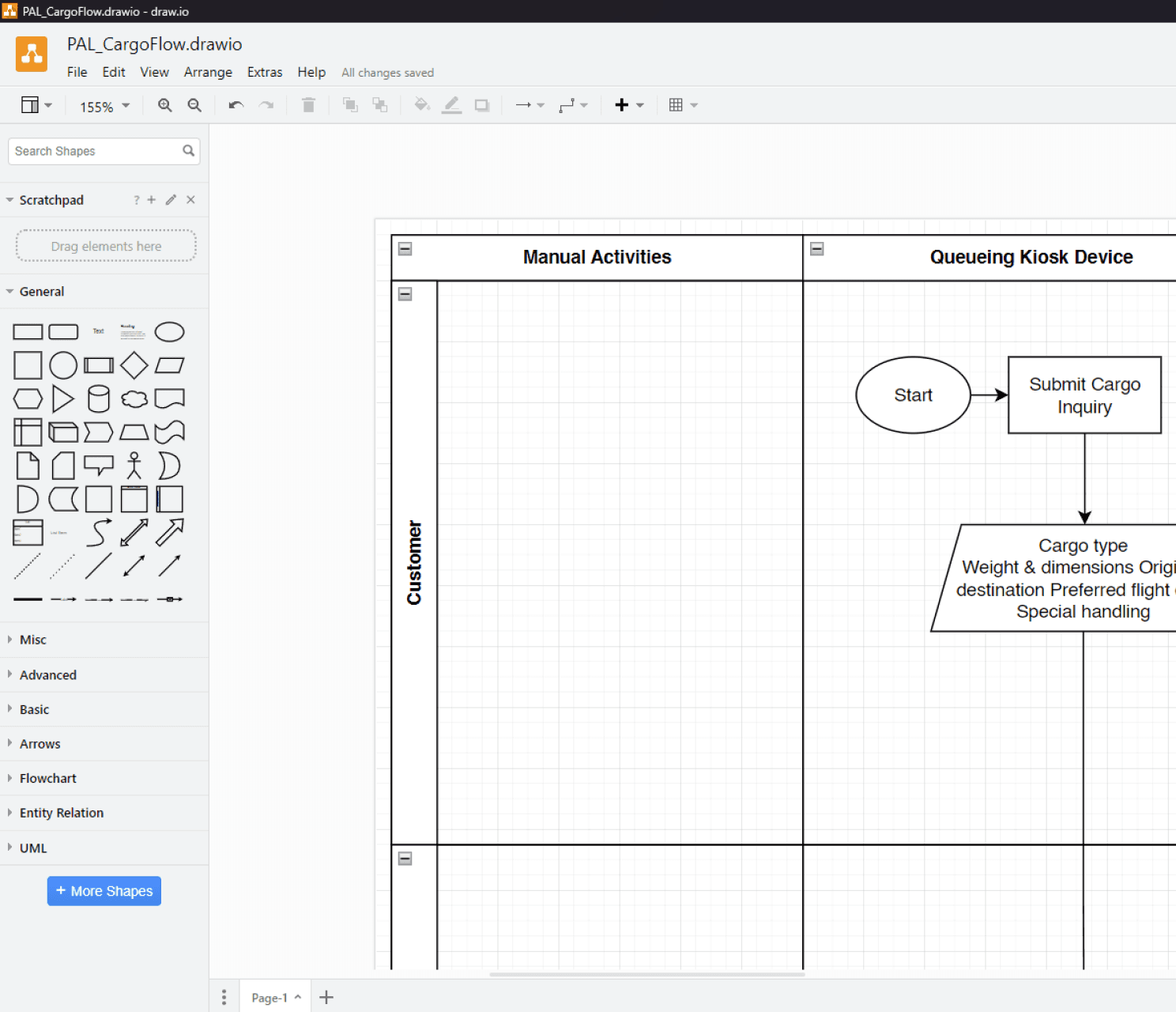
I mapped the cargo journey, from arrival to processing. I studied the existing workflow, identified pain points and delays, and mapped the process to make sure the system reflected how operations actually work on the ground.
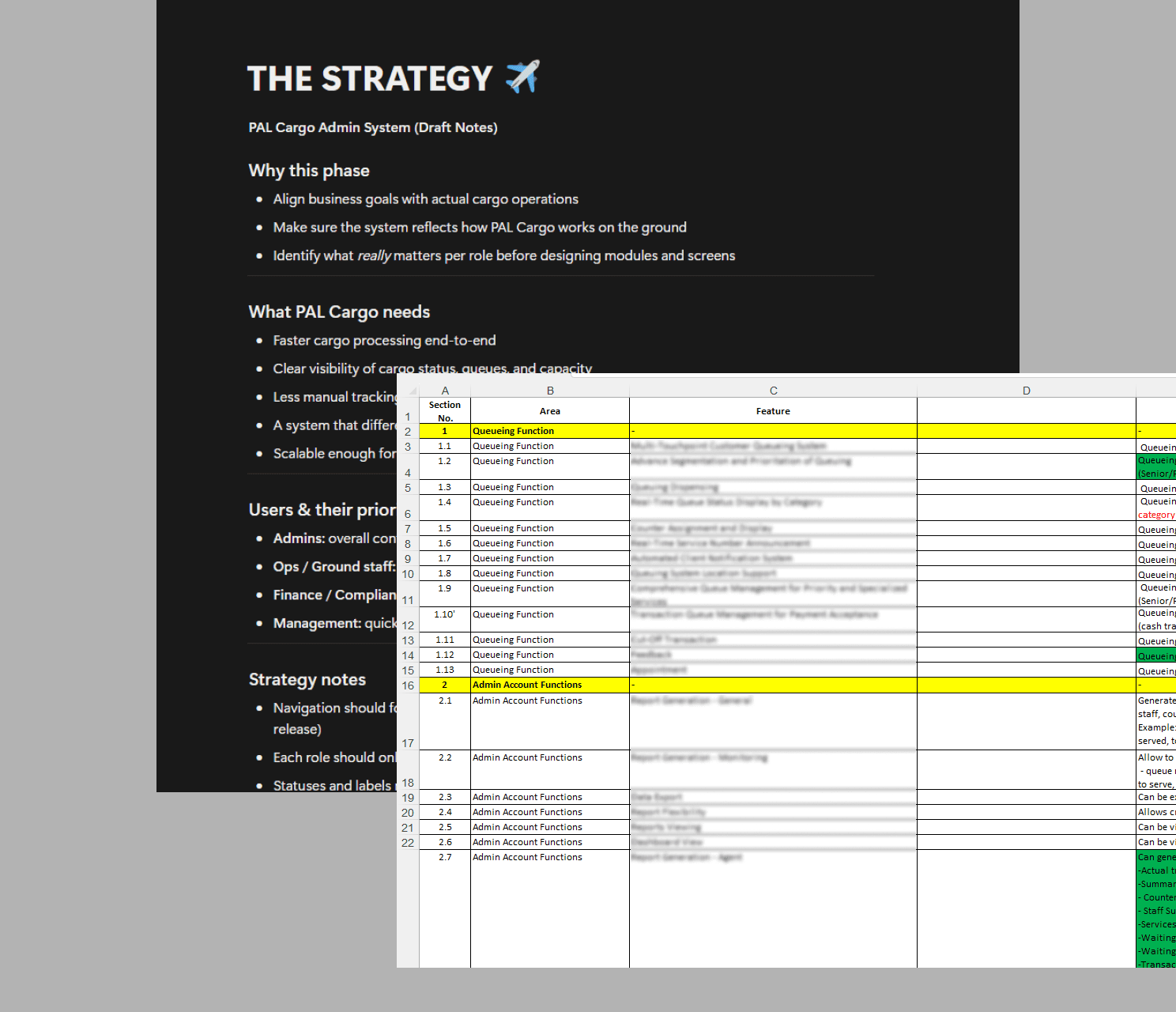
Goal Alignment & Strategy Consolidation

I worked on consolidating business goals and client expectations into a single design direction. I balanced operational efficiency, user needs, and technical constraints to ensure the solution aligned with both the client’s vision and real-world requirements.

FINAL DESIGNS
PAL Cargo Express

PAL Cargo Express

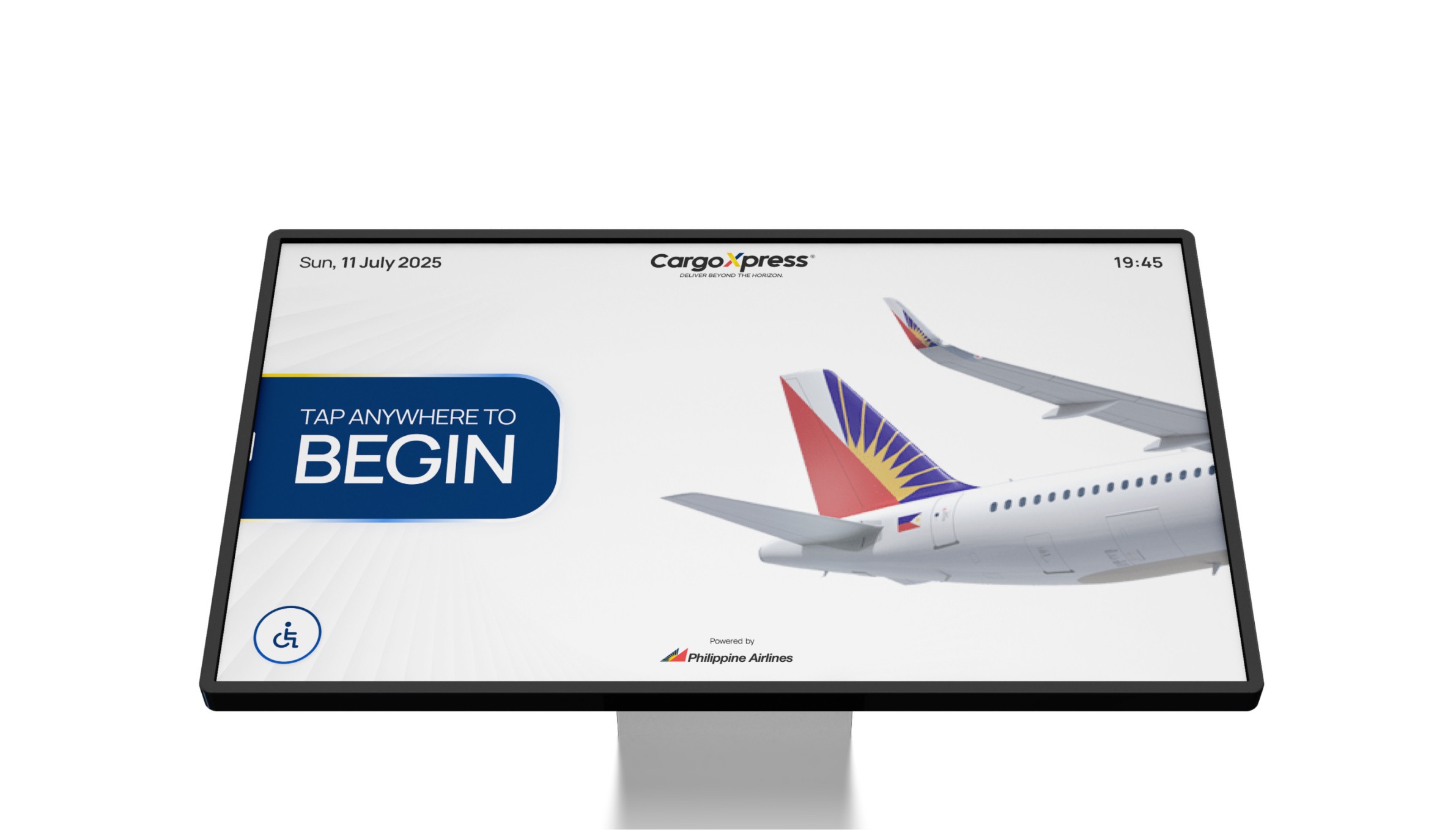
After understanding the cargo operations and consolidating client objectives, I shaped the proposal for the PAL Cargo Queuing System.

After understanding the cargo operations and consolidating client objectives, I shaped the proposal for the PAL Cargo Queuing System.

After understanding the cargo operations and consolidating client objectives, I shaped the proposal for the PAL Cargo Queuing System.

Queue on cloud

Queue on cloud

The entire platform is accessible via any internet-enabled device — desktops, tablets, or smartphones — through a secure browser interface.

The entire platform is accessible via any internet-enabled device — desktops, tablets, or smartphones — through a secure browser interface.

Multi-Touchpoint Support

Multi-Touchpoint Support

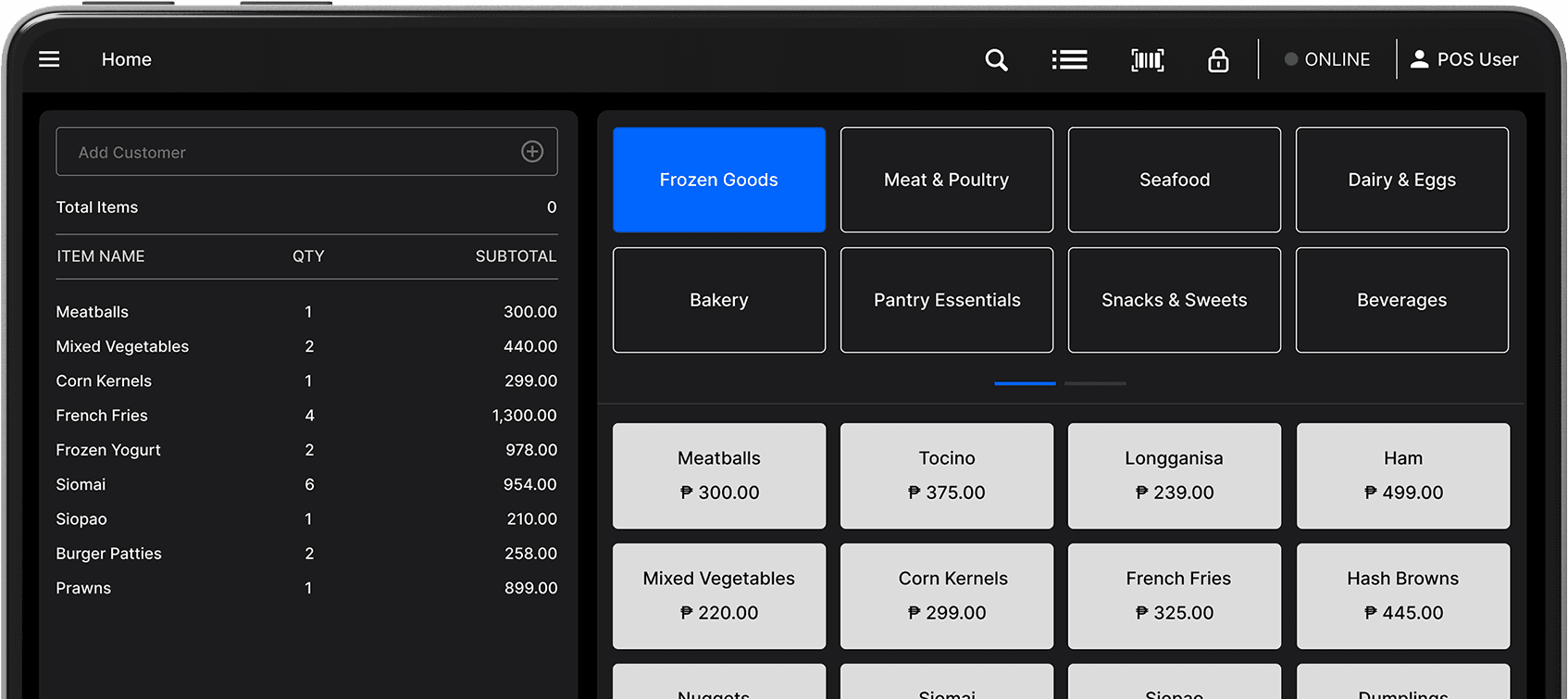
Handles cargo queues across multiple PAL Cargo departments and service areas at the same time, enabling teams to track, prioritize, and process shipments efficiently throughout the cargo flow.

Handles cargo queues across multiple PAL Cargo departments and service areas at the same time, enabling teams to track, prioritize, and process shipments efficiently throughout the cargo flow.

Centralized Management

Centralized Management

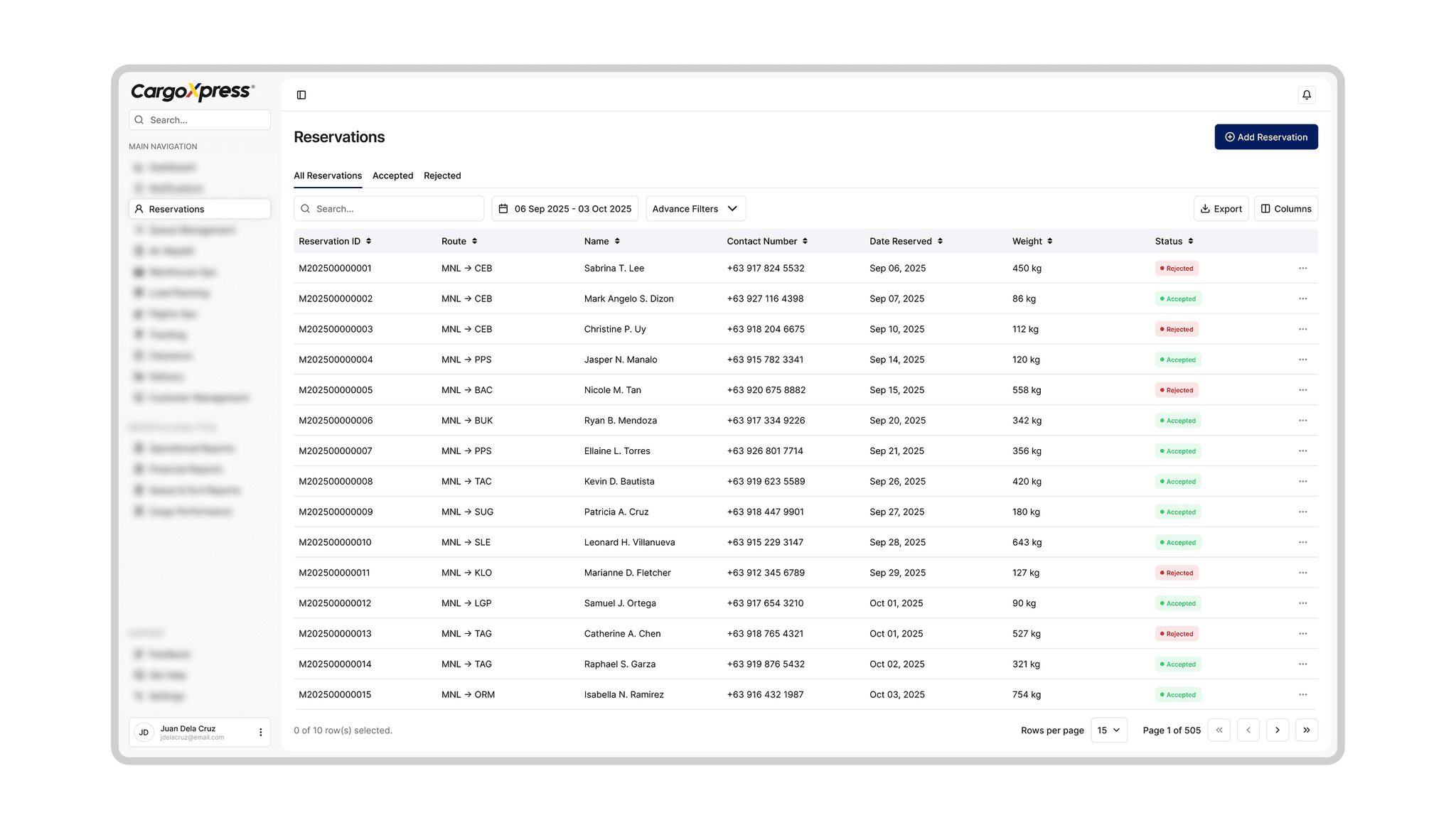
Centralized, browser-based control panel to oversee and manage all queue operations in real time — without needing any installed software.


The system is built with scalability in mind, allowing admins to manage single or multiple locations from one dashboard, with role-based access control for supervisors, frontliners, and agents.

Centralized, browser-based control panel to oversee and manage all queue operations in real time — without needing any installed software.


The system is built with scalability in mind, allowing admins to manage single or multiple locations from one dashboard, with role-based access control for supervisors, frontliners, and agents.

Display Integration

Display Integration

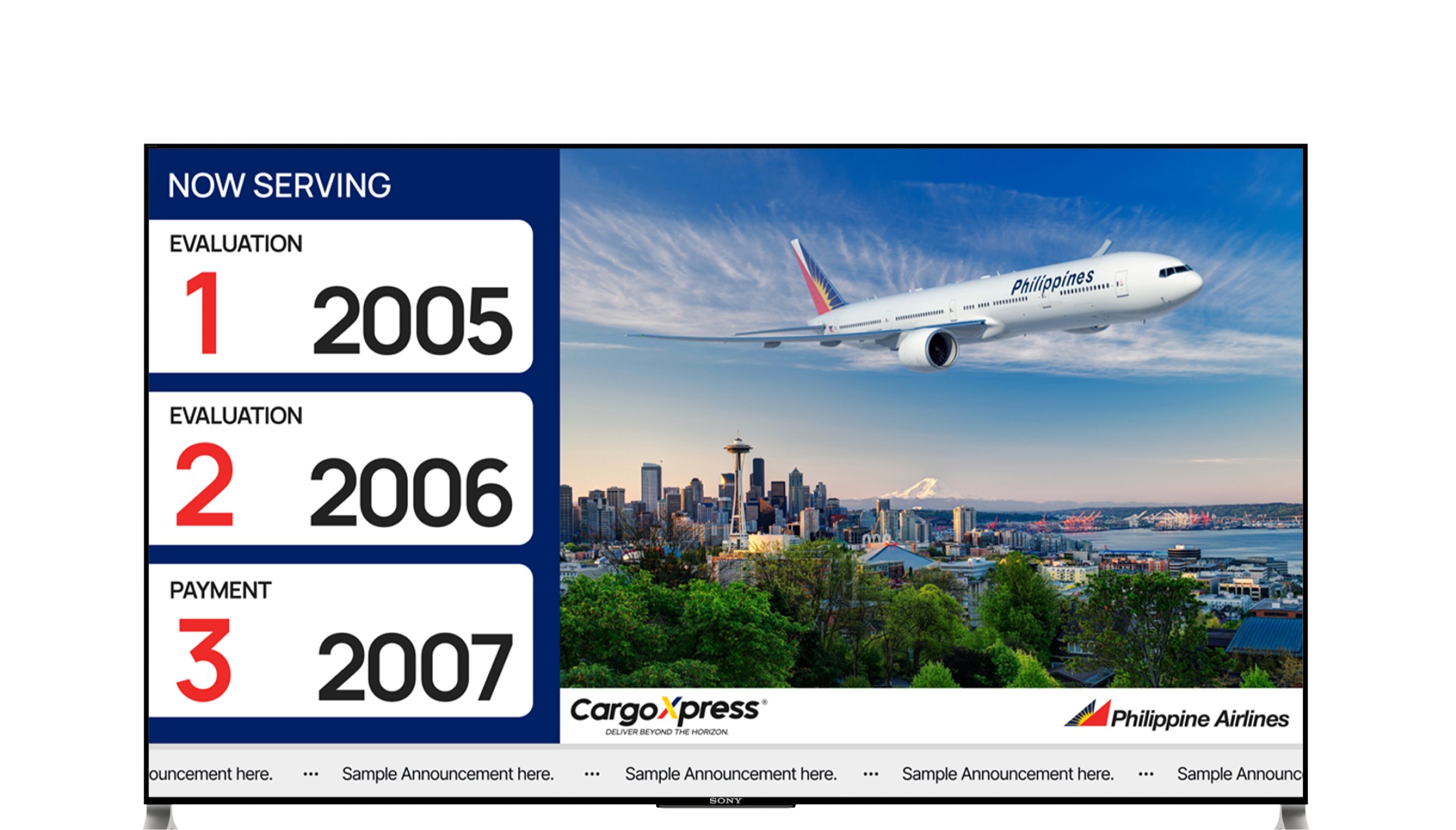
Real-time web-based queue display that shows active queue numbers, counter assignments, and announcements across digital screens.

Real-time web-based queue display that shows active queue numbers, counter assignments, and announcements across digital screens.

CHALLENGES AND SOLUTIONS

As the proposal took shape, a number of practical challenges ⚠️ influenced how the solution was framed and communicated.

Limited Access to Real Operational Data

Without access to PAL Cargo’s internal systems or performance metrics, accurately modeling the queuing workflow was a constraint.


To solve this, I mapped a high-level, assumption-based current-state flow, clearly labeling it as conceptual. I also referenced common cargo handling practices and time-critical logistics patterns to ground the proposal in realistic operations.

Balancing Simplicity with Operational Complexity

Cargo operations involve multiple priorities and exceptions, yet the proposal needed to remain clear and accessible.


I focused on core scenarios such as standard cargo, priority shipments, and urgent cases while intentionally deferring edge cases. This allowed the proposal to communicate value without overwhelming stakeholders.

WHAT I DELIVERED

Within the scope of this proposal, I delivered a focused set 📂 of outputs to clearly communicate the solution.

  1. A conceptual digital solution that simplifies cargo queue management and improves operational clarity.


  2. A transparent outline of project limitations, scope boundaries, and inferred operational assumptions.


  1. A structured, easy-to-follow proposal that communicates the concept to stakeholders without full technical depth.

TAKEAWAYS

This project taught me the magic of ✨system proposals✨ and reminded me the value of designing with clarity, constraints, and real-world operations in mind.

Understand the Problem

It is important to understand the full operational workflow before diving into design to ensure that every UI decision supports real-world processes, not just aesthetics.

Structure Is a Design Skill

Even lightweight proposals benefit from careful organization, as clear structure guides the reader and communicates the solution’s logic effectively.

Assumptions Should Be Visible

Making all assumptions explicit helps stakeholders understand the proposal’s context and reduces misalignment or unrealistic expectations.

Clarity Beats Completeness

Framing the problem clearly is more valuable than attempting to cover every detail, especially when working with limited data or a concept-level scope.

Understand the Problem

It is important to understand the full operational workflow before diving into design to ensure that every UI decision supports real-world processes, not just aesthetics.

Assumptions Should Be Visible

Making all assumptions explicit helps stakeholders understand the proposal’s context and reduces misalignment or unrealistic expectations.

Structure Is a Design Skill

Even lightweight proposals benefit from careful organization, as clear structure guides the reader and communicates the solution’s logic effectively.

Clarity Beats Completeness

Framing the problem clearly is more valuable than attempting to cover every detail, especially when working with limited data or a concept-level scope.

Understand the Problem

It is important to understand the full operational workflow before diving into design to ensure that every UI decision supports real-world processes, not just aesthetics.

Assumptions Should Be Visible

Making all assumptions explicit helps stakeholders understand the proposal’s context and reduces misalignment or unrealistic expectations.

Structure Is a Design Skill

Even lightweight proposals benefit from careful organization, as clear structure guides the reader and communicates the solution’s logic effectively.

Clarity Beats Completeness

Framing the problem clearly is more valuable than attempting to cover every detail, especially when working with limited data or a concept-level scope.

Philippine Airlines

Philippine Airlines

Cargo Smart Queuing

Cargo Smart Queuing